Understanding Ceiling Speakers: Types and Functions
Ceiling speakers have become increasingly popular in modern audio setups, offering an efficient and aesthetically pleasing solution for sound distribution in various environments, from homes to commercial spaces. These speakers are installed directly into ceilings, allowing for a clean, minimalist look while delivering high-quality audio. Whether you are upgrading your home theater or looking to enhance your office audio system, understanding the different types and features of ceiling speakers is essential for making an informed decision. When exploring options, اسپیکر سقفی provides comprehensive insights into selecting the right ones for your needs.
What are Smart Ceiling Speakers?
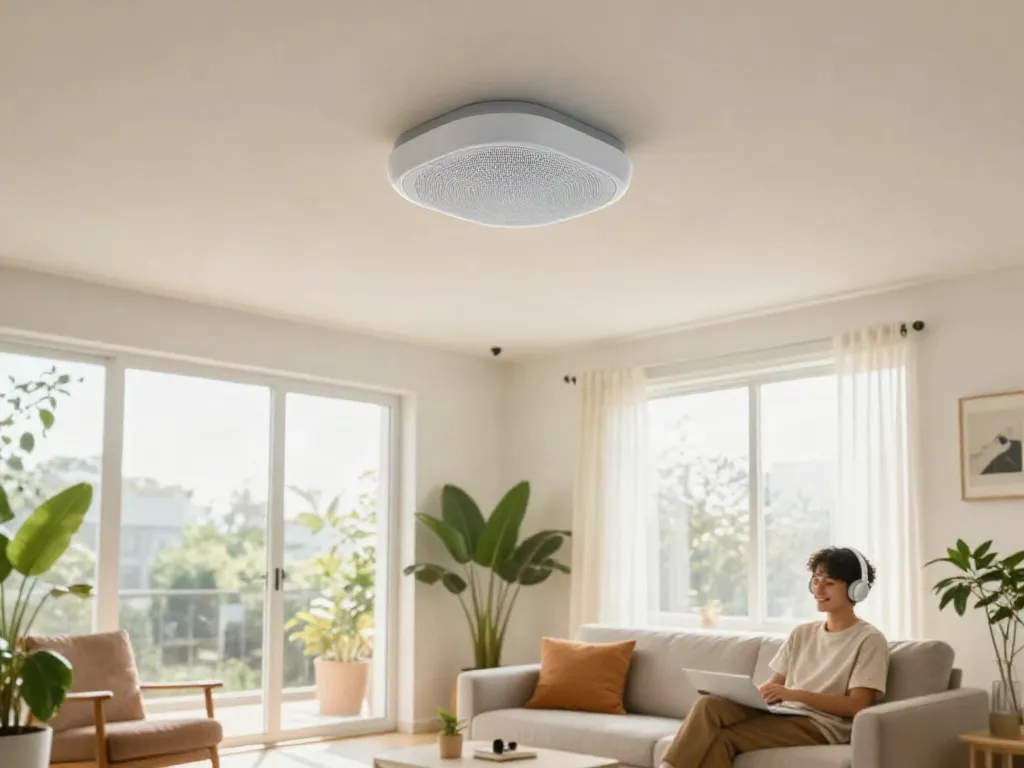
Smart ceiling speakers integrate wireless technologies, enabling users to control audio playback through mobile apps or smart home systems. They often support Bluetooth and Wi-Fi connectivity, allowing seamless integration with home automation systems. This feature enhances user convenience, enabling audio streaming from various devices without the need for complex wiring.
Types of Ceiling Speakers: In-Ceiling vs. Surface-Mounted
Ceiling speakers typically fall into two main categories: in-ceiling and surface-mounted. In-ceiling speakers are embedded within the ceiling structure, providing a discreet look and superior sound quality due to their enclosure. On the other hand, surface-mounted speakers are installed on the ceiling's surface, making them easier to install, though they may be more visible. The choice between these types depends on aesthetic preferences, installation complexity, and audio quality requirements.
Key Features of Modern Ceiling Speakers
When selecting ceiling speakers, several features should be considered:
- Power Output: The wattage rating indicates the speaker's loudness and sound coverage.
- Frequency Response: A wider frequency response allows the speaker to produce a more comprehensive sound range.
- Installation Type: Choose between in-ceiling or surface-mounted based on design needs.
- Smart Features: Look for speakers with Bluetooth and Wi-Fi connectivity for versatile audio management.
Choosing the Right Ceiling Speaker for Your Space
Assessing Room Acoustics
Understanding the acoustics of the room is crucial when selecting ceiling speakers. The materials present in the room—like carpets, curtains, and wall types—affect sound quality. A room with hard surfaces may cause echoes, while one with soft materials can absorb sound. Evaluating these factors will help determine the right speaker type and placement strategy.
Matching Speakers to Room Size and Purpose
The speaker's power and size should correlate with the area they will cover. For large areas, high-wattage speakers will ensure sufficient sound coverage, while smaller rooms may require less powerful options. Additionally, consider whether the speakers will be used for music, dialogue, or both, as this influences the type of speaker needed.
Evaluating Power Ratings and Output Quality
Power ratings, measured in watts, indicate the speaker's potential volume output. For environments such as conference rooms or large living areas, higher wattage is essential to achieve clear sound without distortion. Researching brands and models with proven output quality will enhance your listening experience.
Installation Techniques and Best Practices
DIY Installation vs. Professional Help
Installing ceiling speakers can be a DIY task for those with some electrical and carpentry skills. However, professional installation ensures optimal placement and connection for the best audio performance. Consider your comfort level with tools and technology before deciding.
Tools and Materials Needed for Installation
Key tools required for installation include a stud finder, drill, wire stripper, and level. Materials should include speaker wires, drywall cutouts, and screws. Having these items ready will streamline the installation process.
Common Mistakes to Avoid During Installation
Common pitfalls include incorrect speaker placement, poor wiring practices, and neglecting room acoustics. Ensure to plan your installation carefully, considering the layout of your space, to maximize sound quality.
Smart Features and Connectivity
Understanding Wireless vs. Wired Connectivity
Wireless connectivity offers flexibility and ease of use, allowing speakers to connect to devices via Bluetooth or Wi-Fi. In contrast, wired connections provide stable audio quality and are often preferred in professional audio setups. Choose based on your specific needs and the environment.
Integrating with Home Automation Systems
Smart ceiling speakers can seamlessly integrate with home automation systems, enabling users to control audio using voice commands or mobile apps. This integration enhances user experience and adds convenience, especially when managing multiple devices.
Future Trends in Smart Ceiling Speaker Technology
The future of ceiling speakers includes advancements in AI-driven audio optimization, improved wireless technologies, and enhanced compatibility with various smart home devices. Staying informed about these trends will help you make future-proof purchases.
Maintenance and Troubleshooting Tips
Regular Maintenance Practices
To maintain optimal performance, regularly check speaker connections and clean dust from the speaker grilles. Keeping the speakers in good condition will prolong their lifespan and ensure high-quality sound.
Common Issues and Their Solutions
Common problems include insufficient sound output and connectivity issues. Ensuring speakers are properly connected and checking the settings on the audio source can often resolve these issues.
When to Seek Professional Assistance
If issues persist despite troubleshooting, it may be time to consult a professional. Additionally, consider professional help for complicated installations or upgrades to ensure safety and optimal setup.
What should I consider when buying a ceiling speaker?
Consider the acoustic environment, the type of audio content you will be using, and the aesthetic preferences of the space. Also, weigh the importance of smart features and connectivity options that fit your lifestyle.
How do I install a ceiling speaker?
Installation involves marking the location, cutting the ceiling for the speaker, connecting wires, and securely mounting the speaker. Ensure to follow safety precautions and manufacturer guidelines.
What are the benefits of smart ceiling speakers?
Smart ceiling speakers offer convenience, ease of control, and integration with home automation systems. They enhance user experience by allowing wireless streaming and voice-controlled operation.
How do I connect a ceiling speaker to my home network?
Connection typically involves accessing your Wi-Fi settings through the speaker's app or using a provided QR code. Follow your specific speaker's instructions for seamless integration.
What are the top brands for ceiling speakers in 2026?
Some leading brands for ceiling speakers include Yamaha, Klipsch, and Sonos, known for their quality and innovative features. Researching current reviews and comparisons will help you make a well-informed decision.