Understanding Mini Split AC Units
As the demand for efficient and versatile climate control solutions continues to grow, mini split air conditioning units have emerged as a popular choice for homeowners and businesses alike. These systems, known for their ability to provide personalized comfort without the need for extensive ductwork, have gained recognition for their energy efficiency and aesthetic appeal. In this article, we'll delve into the mechanics of mini split AC units, their advantages, and how they compare to traditional air conditioning systems. When exploring options, mini split ac unit provide comprehensive insights into modern cooling solutions.
What is a Mini Split AC Unit?
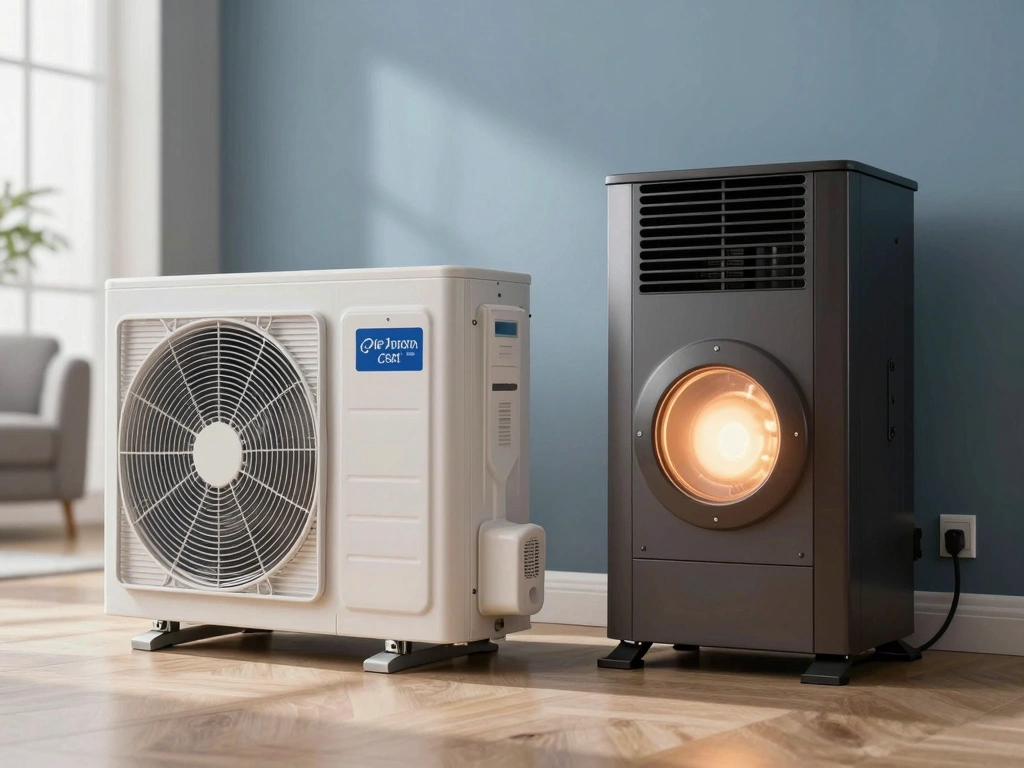
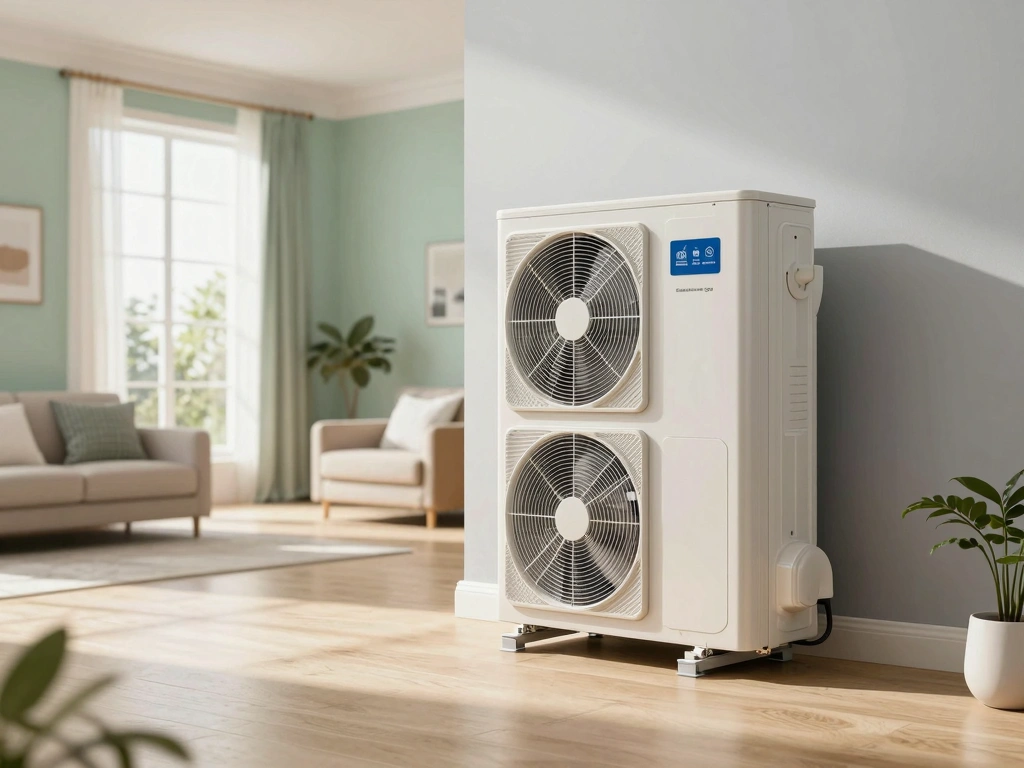
A mini split AC unit is a type of ductless air conditioning system that consists of two main components: an indoor unit and an outdoor condenser. Connected by refrigerant lines, these units operate independently of ductwork, allowing for targeted heating and cooling in specific areas of a home or commercial space. This configuration not only enhances comfort but also improves energy efficiency.
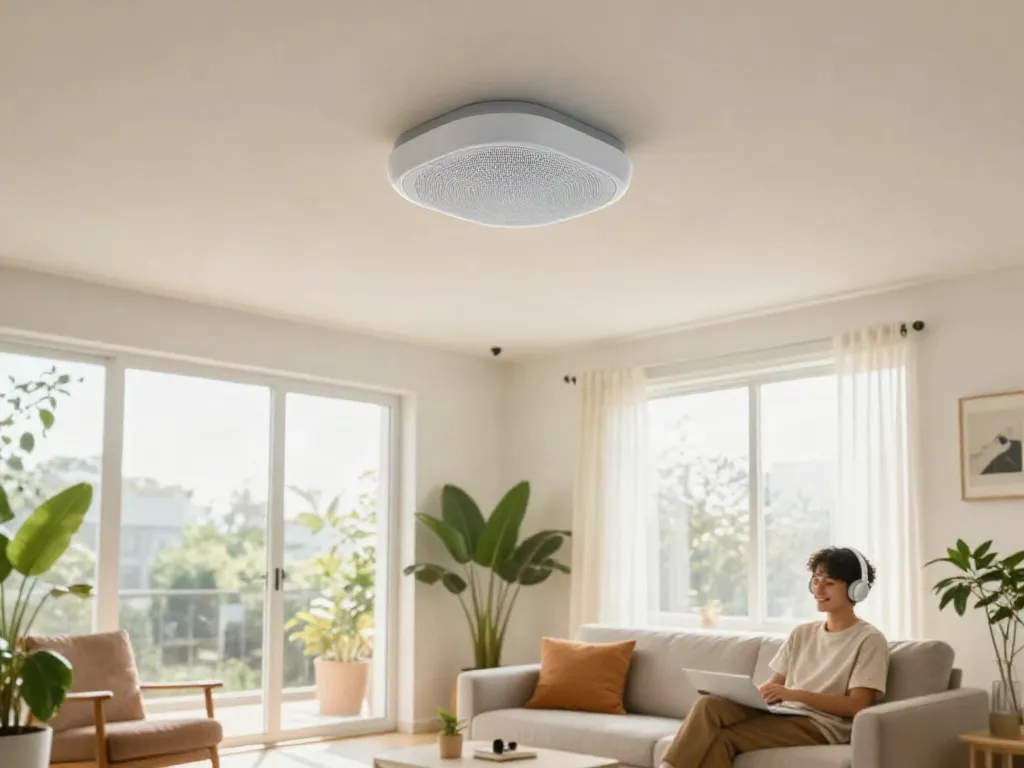
The indoor unit can be mounted on walls, ceilings, or floors, offering flexibility in design. Furthermore, mini splits often come with inverter technology, which allows the compressor to operate at variable speeds, ensuring a consistent temperature while consuming less energy.
Key Benefits of Mini Split Systems
- Energy Efficiency: Mini split systems typically have higher Seasonal Energy Efficiency Ratio (SEER) ratings compared to traditional AC units, leading to lower energy bills.
- Zone Control: With the ability to control temperatures in individual rooms, mini splits provide personalized comfort according to personal preferences and usage.
- Space-saving Design: The compact nature of mini splits eliminates bulky ductwork, making them ideal for homes with space constraints.
- Quiet Operation: Mini split units operate quietly compared to window or conventional units, making them suitable for bedrooms and offices.
- Heating Capability: Many mini split systems double as heat pumps, providing heating during colder months without the need for separate systems.
Comparing Mini Split to Traditional AC Systems
When evaluating the suitability of mini split AC units, it's essential to compare them with traditional systems. Traditional AC units often require significant ductwork that can lead to energy losses through leaks and poor insulation. In contrast, mini split systems bypass this issue entirely by delivering conditioned air directly where it's needed.
Moreover, mini splits tend to be more efficient in both heating and cooling applications, as they adjust their output based on the current temperature needs of the space, thus saving energy and reducing costs over time.
Installation Considerations for Mini Split AC Units
Successfully installing a mini split AC unit involves various factors that influence performance, efficiency, and overall effectiveness. Understanding these considerations can lead to a smooth installation process and long-term satisfaction.
Optimal Placement and Sizing
Choosing the right location for the indoor unit is critical for maximizing efficiency. Ideally, the unit should be placed in a central location within the room to facilitate even air distribution. Additionally, it's important to select the appropriate size of the mini split system based on the room's square footage and insulation level. An undersized unit may struggle to cool or heat effectively, while an oversized unit can lead to rapid cycling and increased energy consumption.
Common Installation Challenges
While mini split systems are known for their flexibility, installation can present challenges, especially in existing structures. Homeowners may encounter obstacles such as insufficient wall space for mounting the indoor unit or difficulties in routing the refrigerant lines between the indoor and outdoor units.
Professional installation is often recommended to navigate these challenges effectively. Experienced HVAC technicians can ensure compliance with local codes and optimize system performance, which can ultimately save costs in repairs and inefficiencies down the line.
Cost Breakdown for Mini Split Installation
The costs associated with installing a mini split AC unit can vary significantly based on several factors, including the brand, capacity, installation complexity, and regional labor rates. On average, the total cost can range from $2,000 to $5,000, including both equipment and installation. Homeowners should consider obtaining multiple quotations and ensuring they are comparing similar equipment and service levels.
Energy Efficiency and Cost Savings
One of the primary reasons homeowners opt for mini split AC units is their energy efficiency, which has a direct impact on utility bills. Understanding how these systems save energy can provide valuable insights for long-term financial planning.
How Mini Split Systems Save Energy
Mini split systems save energy primarily through their ability to operate without ductwork, which is a significant source of energy loss in traditional systems. By delivering air directly to the desired space, these units maintain higher efficiency levels, especially in larger homes where ducted systems may struggle to cool or heat specific areas adequately.
Furthermore, the inverter technology employed in many mini split systems allows for precise temperature control and reduced energy usage. Unlike conventional systems that turn on and off, mini splits adjust their output in response to varying temperature demands.
Understanding SEER Ratings and Their Importance
The Seasonal Energy Efficiency Ratio (SEER) is a critical measurement for determining the energy efficiency of air conditioning systems. A higher SEER rating indicates greater energy efficiency, which can translate into substantial savings on energy bills over time. Most modern mini split systems come with SEER ratings of 15 or higher, making them far more efficient than older models.
Long-term Savings Analysis for Homeowners
Investing in a mini split AC unit can lead to significant long-term savings. By reducing energy consumption, homeowners can expect not only lower utility bills but also potential tax credits or rebates associated with energy-efficient appliances. Over the lifespan of the unit, savings can add up, making this system a financially sound investment.
Maintenance Tips for Mini Split AC Units
Regular maintenance is crucial for ensuring the longevity and effectiveness of a mini split AC unit. Below are some essential maintenance tips to keep the system running efficiently.
Regular Cleaning and Maintenance Routines
To maintain optimal performance, it's important to clean the indoor and outdoor components of the mini split unit regularly. This includes cleaning or replacing the air filters at least once every three months to ensure unobstructed airflow. Additionally, ensuring that the outdoor unit is free of debris, such as leaves and dirt, will help maintain efficiency and extend the unit's lifespan.
Signs Your Mini Split Needs Repair
Homeowners should be vigilant for signs that indicate a need for professional repairs. Unusual noises, reduced cooling or heating effectiveness, and any leaks around the indoor or outdoor units are signals that maintenance is necessary. Addressing these issues promptly can prevent more extensive damage and costly repairs down the line.
Professional Maintenance vs. DIY Solutions
While some maintenance tasks can be performed by homeowners, such as cleaning the filters, it's advisable to schedule regular professional check-ups annually. HVAC technicians can perform thorough inspections, ensuring that potential issues are identified and addressed before they escalate, thereby safeguarding the investment made into the mini split system.
Future Trends in Mini Split Technology
As technology continues to advance, mini split systems are also evolving. Understanding upcoming trends can help consumers make informed decisions when selecting their cooling solutions.
Advancements in Energy Efficiency (2026 and Beyond)
The demand for energy-efficient appliances is expected to spark further innovations in mini split technology. Future systems may include enhanced inverter technology and improved refrigerants designed to minimize environmental impact while maximizing efficiency. Additionally, as smart home technology becomes more prevalent, mini split systems that integrate with home automation platforms will likely become standard.
Smart Technology Integration in Mini Splits
The rise of smart home devices is influencing HVAC solutions, including mini split systems. Future models may come equipped with Wi-Fi connectivity, allowing users to control their units remotely via smartphone apps. This level of control can lead to more precise energy management and increased comfort levels within the home.
Predictions for Mini Split Market Growth
Market analysts predict that the mini split AC unit sector will experience substantial growth over the next few years, driven by rising consumer preference for energy-efficient and stylish HVAC solutions. As more manufacturers invest in developing high-efficiency models, we can expect increased variety and accessibility, making these systems even more appealing to homeowners.