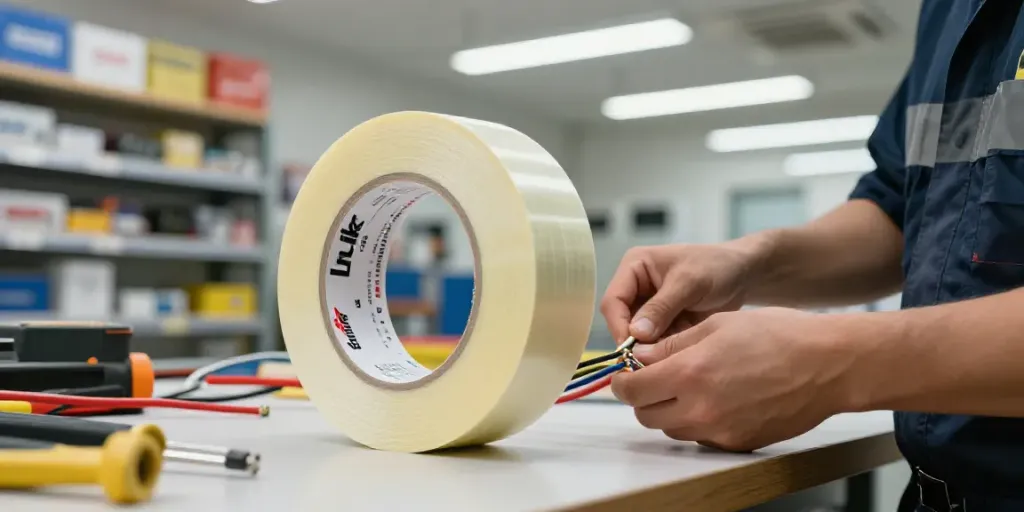
Understanding the Advantages of Link Super33 Tape
In the realm of electrical insulation, the choice of tape can significantly impact both safety and performance. Link Super33 tape stands out among a crowded field of options, thanks to its robust construction and versatile applications. Whether you are a seasoned electrician or a DIY enthusiast, understanding the unique advantages of Link Super33 can enhance your project outcomes. When exploring options, Link Super33 provides comprehensive insights into its features and benefits, making it a preferred choice in many scenarios.
What Makes Link Super33 Unique?
Link Super33 tape is engineered with a proprietary blend of materials, providing superior adhesion and flexibility. One of its standout characteristics is its ability to maintain performance across a wide temperature range, from sub-zero to high heat environments. This makes it suitable for diverse applications, from electrical wiring in homes to heavy-duty industrial uses. Its vinyl composition also contributes to its resistance to moisture and UV radiation, ensuring longevity even in challenging conditions.
Key Features and Benefits
- Premium Quality: The tape boasts a professional-grade quality that meets stringent electrical standards.
- Flexibility: It conforms well to irregular surfaces, providing an airtight seal.
- Durability: Resistant to wear, chemicals, and moisture, ensuring long-lasting performance.
- Versatile Use: Ideal for insulation, bundling, and protective jacketing applications.
Common Applications in Electrical Work
Link Super33 tape excels in various settings, including:
- Residential Wiring: Used for insulating electrical connections and maintaining safety.
- Automotive Applications: Perfect for harnessing wiring and protecting against corrosion.
- Industrial Projects: Suitable for heavy-duty tasks, protecting wires exposed to harsh environments.
Best Practices for Using Link Super33 Tape
To maximize the effectiveness of Link Super33, adhering to best practices during application is crucial. This ensures optimal results and enhances the longevity of the insulation provided by the tape.
Proper Application Techniques
For best results, follow these application techniques:
- Clean Surface: Ensure the surface is dry and free of dust or grease before applying the tape.
- Apply Tension: Stretch the tape as you wrap, ensuring it adheres properly without bubbles.
- Overlap Layers: When applying multiple layers, overlap at least half of the previous layer for complete insulation.
Maintenance and Safety Tips
Regular inspections of electrical tape applications can prevent failures. Always check for signs of wear, especially if exposed to outdoor elements. Ensure that safety protocols are followed, particularly when dealing with live wires.
Common Mistakes to Avoid
- Skipping Surface Prep: Neglecting to clean surfaces can lead to poor adhesion.
- Improper Stretching: Applying too little tension can result in a loose seal, compromising insulation.
- Using Old Tape: Always check expiration dates and condition before use to ensure reliability.
Comparing Link Super33 with Other Electrical Tapes
Understanding how Link Super33 measures up against competitor products is vital for making informed purchasing decisions.
Link Super33 vs. Competitor Products
When juxtaposed with other electrical tapes, including Scotch Super 88 and Gorilla tape, Link Super33 holds its own. While the Super 88 offers superior thickness, it may not provide the same level of flexibility as Link Super33. Similarly, Gorilla tape offers heavy-duty performance but lacks the temperature resistance and electrical insulation properties inherent to Link Super33.
Situations to Choose Each Type
Choosing the right tape depends on the application:
- Link Super33: Best for standard electrical insulation tasks.
- Scotch Super 88: Ideal for high-demand environments requiring thicker insulation.
- Gorilla Tape: Best suited for outdoor applications where durability is key.
Cost-Effectiveness Analysis
While Link Super33 might come at a slightly higher price point compared to basic options, its durability and effectiveness often translate into cost savings over time. Investing in quality tape reduces the likelihood of electrical failures and potential hazards.
Future Trends in Electrical Tape Technology
The electrical tape industry is evolving, and staying ahead of the curve is essential for professionals. Innovations are reshaping how insulation products are made and applied.
Innovations in Materials and Formulation
Future iterations of electrical tape are expected to incorporate advanced materials that enhance performance. Look for formulations that boast improved adhesive properties and higher resistance to extreme conditions.
Predictions for 2026 and Beyond
By 2026, we can anticipate significant advancements in the sustainability of electrical tapes. Biodegradable materials and environmentally friendly production processes might become standard, aligning with global initiatives towards eco-friendly products.
Impact of Technology on Electrical Safety
As technology continues to advance, features such as integrated sensors or smart capabilities in electrical tape could soon emerge. These innovations might monitor electrical integrity in real-time, improving safety and performance.
Frequently Asked Questions About Link Super33 Tape
What is Link Super33 tape made of?
Link Super33 tape is primarily composed of high-quality vinyl, which provides excellent insulation and strength.
How long does Link Super33 tape last?
Under optimal conditions, Link Super33 tape can last several years, maintaining its adhesive qualities and integrity.
Can Link Super33 tape be used outdoors?
Yes, it is designed for both indoor and outdoor use, with resistance to UV exposure and moisture.
Is Link Super33 tape resistant to weather conditions?
Absolutely. Its formulation allows it to withstand various weather conditions, making it a versatile choice.
How does Link Super33 compare to duct tape?
While duct tape is versatile, Link Super33 offers superior electrical insulation and is specifically designed for electrical applications.