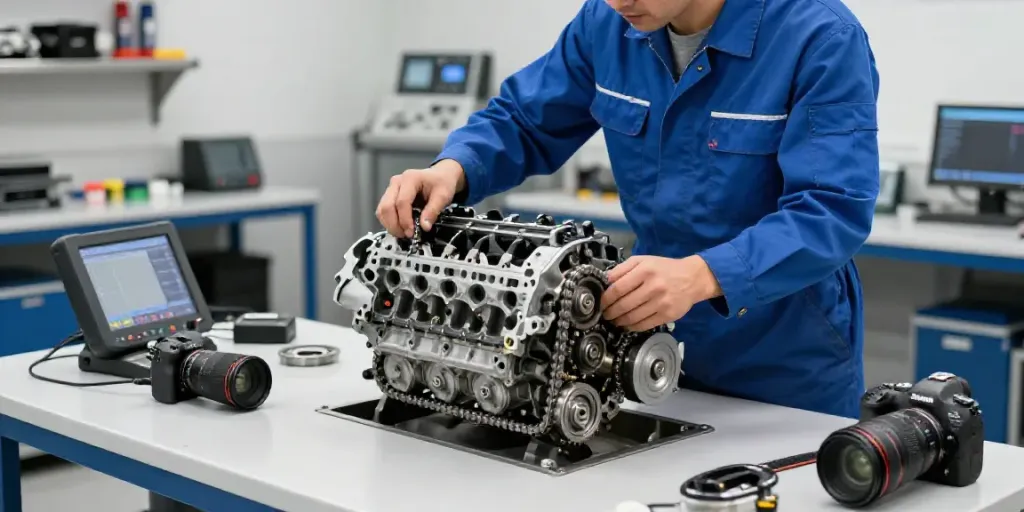
Understanding the Importance of BMW Timing Chains
In the performance-driven world of BMW vehicles, the timing chain plays a pivotal role in ensuring that the engine runs smoothly and efficiently. It is responsible for synchronizing the movement of the crankshaft and camshaft, allowing for precise timing in the opening and closing of engine valves. Neglecting the maintenance or replacement of the timing chain can lead to catastrophic engine failure, resulting in costly repairs and preventing optimal vehicle performance. For those in Hannover, understanding the significance of the timing chain is essential for maintaining the longevity and efficiency of your BMW. When exploring options, bmw steuerkette hannover provides comprehensive insights that can guide your decision-making process.
What is a Timing Chain and How Does It Work?
A timing chain is a crucial component in your BMW’s engine architecture, functioning akin to a timing belt but offering greater durability and strength. Made from metal links, the timing chain connects the crankshaft to the camshaft(s), ensuring that the engine's valves open and close in perfect harmony with the pistons’ movements. This synchronization is vital, as even a slight misalignment can lead to severe engine damage. Unlike timing belts, which require regular replacement, timing chains are designed to last the lifetime of the engine. However, they are not immune to wear and tear, especially if maintenance schedules are not adhered to.
Symptoms of a Failing Timing Chain in BMW Vehicles
Recognizing the early warning signs of a failing timing chain can save BMW owners from significant repair bills. Some common symptoms include:
- Engine Misfires: If the timing chain is worn or loose, it can cause the engine to misfire, leading to a rough idle.
- Unusual Engine Noises: A rattling or clattering noise from the engine area may indicate that the timing chain is loose or has jumped a tooth.
- Check Engine Light: A malfunctioning timing chain can trigger the check engine light, signaling various issues including misfires.
- Oil Leaks: A failing timing chain tensioner can lead to oil leaks, resulting in reduced lubrication and potential engine damage.
The Role of Regular Maintenance in Preventing Timing Chain Issues
To ensure the longevity of your BMW’s timing chain, regular maintenance is critical. Routine checks can detect early signs of wear, while timely oil changes with high-quality oil can significantly reduce friction and wear on the timing chain. Establishing a relationship with a trusted mechanic who specializes in BMWs can further enhance the maintenance strategy, ensuring that potential issues are addressed before they escalate.
Common Mistakes When Replacing BMW Timing Chains
Replacing a timing chain is a complex task that requires expertise and precision. However, many mechanics and DIY enthusiasts make common mistakes that can lead to future complications. Understanding these pitfalls is essential for anyone considering a timing chain replacement.
Neglecting to Inspect Associated Components
When replacing a timing chain, it’s vital to inspect related components, including the tensioner, guides, and sprockets. Failing to replace these parts can lead to premature wear and failure of the new timing chain. As a best practice, these components should be replaced simultaneously to ensure optimal performance and longevity.
Using Non-Original Parts: Risks and Consequences
Opting for aftermarket parts can be tempting due to lower costs, but using non-original components can compromise the integrity of the engine. OEM parts are designed specifically for your BMW model, ensuring a perfect fit and reliable performance. Whenever possible, stick to original equipment manufacturer (OEM) parts for critical components like the timing chain and associated parts.
Improper Installation Techniques: What to Avoid
Improper installation techniques can lead to misalignment and chain tension issues, resulting in catastrophic engine failure. It is essential to follow the manufacturer’s specifications and guidelines during installation. This includes employing the correct torque settings and ensuring that all components are aligned properly. Consulting a professional mechanic with experience in BMW vehicles can help avoid these pitfalls.
Choosing the Right Service for BMW Timing Chain Replacement
Selecting the right service provider for your BMW’s timing chain replacement is paramount to ensure quality repair and maintenance. Not all automotive services are created equal, and a few key factors can help you make an informed decision.
Key Factors to Consider When Selecting a Mechanic
When looking for a service provider in Hannover, consider the following:
- Specialization: Choose a mechanic who specializes in BMW vehicles, as they will be more familiar with specific models and their quirks.
- Certifications: Look for certifications that indicate the mechanic has received training in BMW-specific repairs.
- Warranty on Services: A reputable mechanic should offer a warranty on their work to ensure you are covered in case of future issues.
Understanding Cost Estimates: What Should You Expect?
The cost of replacing a timing chain can vary significantly based on the model and make of your BMW, as well as the service provider. Generally, you can expect to pay between €1,000 and €2,500 for parts and labor. It’s advisable to obtain multiple quotes from different mechanics and discuss the specifics of the work being done to ensure transparency.
Reviews and Reputation: Assessing Your Options in Hannover
Online reviews and testimonials are powerful tools for assessing the reputation of a mechanic. Research local automotive services and consider their ratings on platforms like Google and Yelp. A mechanic with positive feedback and a track record of successful BMW repairs is likely to provide quality service.
How to Extend the Lifespan of Your BMW Timing Chain
Extending the lifespan of your timing chain is achievable with proactive measures and regular maintenance. BMW owners can adopt several practices to ensure their timing chain lasts as long as possible.
Regular Maintenance Tips for BMW Owners
- Frequent Oil Changes: Regular oil changes with high-quality oil can significantly reduce wear on the timing chain.
- Check Tension: Ensure the tensioner is in good working order and replace it as needed to maintain proper tension in the timing chain.
- Monitor for Unusual Noises: Stay vigilant for any sounds that may indicate timing chain issues and address them promptly.
Signs Your Engine Needs Immediate Attention
If you notice any of the following signs, it’s critical to seek professional help immediately:
- Severe engine knocking sounds.
- Loss of power and acceleration.
- Frequent check engine lights related to timing issues.
Scheduled Checks: When and Why They Matter
Regular inspections of the timing chain and its associated components should be part of your scheduled maintenance routine. Following the manufacturer’s recommendations for maintenance intervals can help catch potential issues early, before they escalate into more significant problems.
Looking Ahead: Future Trends in BMW Timing Chain Services
The automotive industry is rapidly evolving, and the future of timing chain services for BMW vehicles is likely to be influenced by technological advancements and emerging best practices.
Technological Advancements in Engine Mechanics
As technology progresses, innovative diagnostic tools and techniques are emerging that allow mechanics to assess timing chain health with unprecedented accuracy. This can lead to earlier detection of potential issues, minimizing the risk of failure.
Emerging Best Practices for Automotive Repairs
Industry trends indicate a shift towards more comprehensive service packages that include timing chain inspections as part of standard maintenance. Workshops are increasingly offering preventive services to help BMW owners maintain their vehicles better, emphasizing proactive over reactive care.
What to Expect in the Aftermarket Services by 2026
By 2026, the aftermarket for BMW parts is expected to become more competitive, with a focus on providing high-quality OEM parts at competitive prices. Additionally, consumer education will play a crucial role, as drivers become more informed about their vehicles and expect transparent, quality service.
How Often Should You Consider Timing Chain Replacement?
While timing chains are designed to last, it is recommended to have them inspected regularly, particularly as the vehicle ages. Most BMW models do not have a set replacement interval, typically lasting anywhere from 120,000 to 300,000 kilometers, but it’s important to adhere to your specific model's guidelines.
Why Customer Education is Key in Automotive Maintenance?
Educating customers about the importance of maintaining their BMW’s timing chain is essential for fostering a culture of proactive vehicle care. As customers become more knowledgeable about their vehicles, they are more likely to engage in regular maintenance, preventing costly repairs in the future.