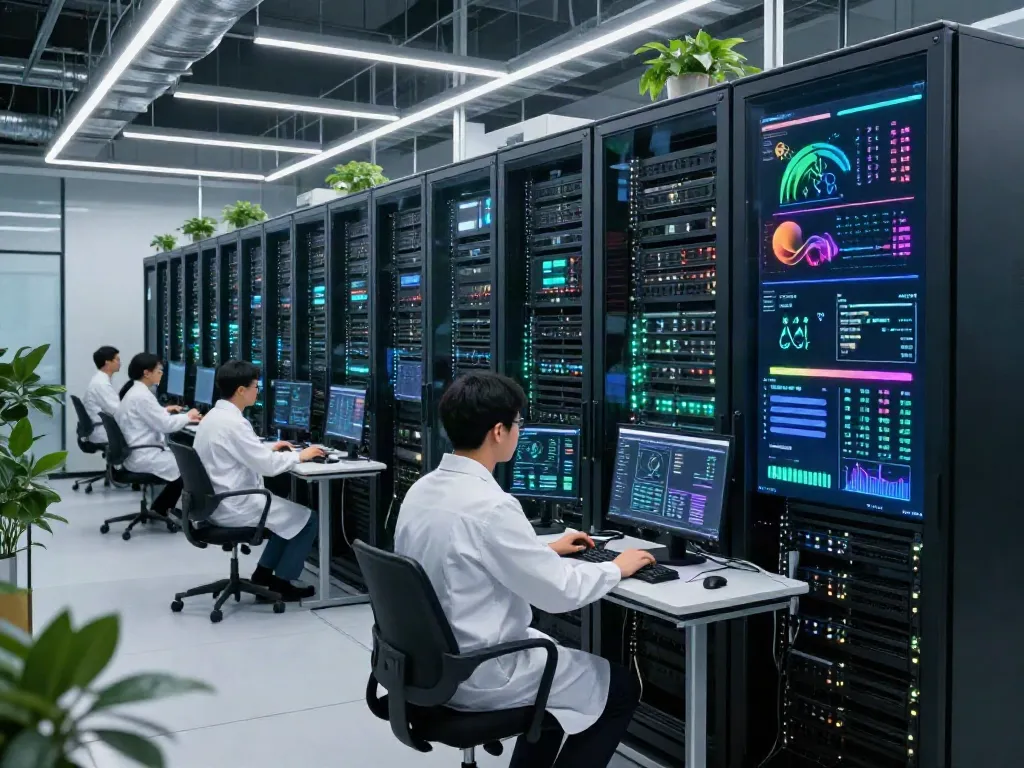
Understanding the AI Data Center
As the digital landscape evolves, the need for specialized facilities grows. Enter the AI data center, a critical component in the architecture of modern artificial intelligence systems. Unlike traditional data centers, AI data centers are meticulously designed to accommodate the unique requirements of artificial intelligence workloads, particularly the demands of high-performance computing (HPC) and vast data processing capabilities.
What is an AI Data Center?
An AI data center is a specialized facility equipped with hardware and software specifically tailored for training, deploying, and managing AI applications. These centers integrate high-density computing resources, such as Graphics Processing Units (GPUs) and Tensor Processing Units (TPUs), to handle the intensive calculations necessary for AI model training. The architecture of AI data centers is optimized to support machine learning and deep learning algorithms, making them indispensable for organizations focused on leveraging AI technologies.
Key Components of AI Data Centers
- High-performance Computing Resources: AI data centers utilize advanced hardware, particularly GPUs and TPUs, which are specifically built to accelerate AI computations.
- Storage Solutions: These facilities require extensive storage capabilities to manage large datasets, employing solutions like SSDs and distributed file systems to ensure rapid data access.
- Networking Infrastructure: A robust networking framework is vital for ensuring efficient communication between computing nodes and for accessing data quickly and reliably.
- Energy Management Systems: Given the high power demands of AI workloads, energy management systems are crucial for monitoring and optimizing electricity use.
How AI Data Centers Differ from Traditional Data Centers
While traditional data centers are designed for a variety of computing tasks, AI data centers focus exclusively on the distinct needs of AI models. Key differences include:
- Specialized Hardware: AI data centers use hardware optimized for parallel processing, whereas traditional data centers often rely on general-purpose CPUs.
- Data Processing: AI workloads require rapid data processing and low-latency access, making real-time data ingestion and processing capabilities essential.
- Usage of Containers and Virtualization: AI data centers leverage containerization for efficient resource allocation and to streamline development processes, unlike traditional data centers that may use more rigid virtualization methods.
The Importance of Power in AI Data Centers
The operational efficiency of AI data centers is directly tied to their power infrastructure. Reliable and scalable energy solutions are fundamental for supporting continuous AI workloads.
Power Requirements for AI Workloads
AI workloads, especially those involving deep learning, are power-intensive. Training a single AI model can require thousands of kilowatt-hours (kWh) of electricity due to the continuous processing of large datasets and complex computations. Understanding these requirements is crucial for ensuring that the infrastructure can handle peak loads without interruptions.
Managing Energy Efficiency in AI Data Centers
With rising energy costs and growing environmental concerns, energy efficiency has become a priority. AI data centers adopt various strategies such as:
- Dynamic Power Scaling: Adjusting power consumption based on workload intensity to minimize waste.
- Efficient Cooling Systems: Utilizing advanced cooling technologies to maintain optimal operating temperatures while reducing energy use.
- Renewable Energy Sources: Integrating renewable energy solutions to offset carbon footprints and lower operational costs.
The Role of Renewable Energy in AI Infrastructure
As sustainability becomes an increasing concern for many organizations, AI data centers are adopting renewable energy sources. Solar, wind, and hydroelectric power not only decrease dependency on fossil fuels but also provide a more stable and cost-efficient energy supply. This adoption aligns with global efforts to reduce emissions and promote greener technologies.
Advantages of Using AI Data Centers
Investing in AI data centers offers several benefits that can positively impact an organization’s AI initiatives.
Enhanced Performance for AI Applications
AI data centers are designed to deliver superior performance through high-density computing resources. This enhancement allows for faster model training and deployment, which can be crucial for businesses needing rapid results from their AI initiatives.
Scalability and Flexibility
AI data centers provide the scalability needed to accommodate growing workloads. Organizations can easily expand their capacity by adding more computational resources or storage as their AI projects evolve. This flexibility ensures that they can respond quickly to changes in demand.
Cost Benefits Compared to Building In-House Solutions
Building an in-house AI infrastructure can be prohibitively expensive and time-consuming. By utilizing AI data centers, organizations can significantly reduce initial capital expenditures. Additionally, outsourcing provides access to the latest technologies and expertise without the burden of maintenance and upgrades.
Challenges Associated with AI Data Centers
Despite their advantages, AI data centers also face several challenges that organizations must consider.
High Initial Costs and Maintenance Concerns
The initial investment required to establish an AI data center can be significant. Furthermore, ongoing maintenance and operational costs can add up, necessitating careful budgeting and financial planning.
Environmental Impact and Sustainability Issues
While AI data centers are increasingly turning to renewable energy sources, their overall environmental impact is still a concern. The substantial energy consumption and heat generation associated with AI workloads pose challenges for sustainability, particularly in regions where renewable options are limited.
Keeping Up with Rapid Technological Advances
The rapid evolution of technology means that AI data centers must continually upgrade their infrastructure to remain competitive. This constant need for modernization can strain budgets and resources, making strategic planning essential.
Future Trends in AI Data Centers
As the AI landscape continues to evolve, several trends are shaping the future of AI data centers.
Emerging Technologies Shaping AI Infrastructure
Next-generation computing technologies, such as quantum computing and neuromorphic chips, are beginning to emerge. These advancements have the potential to revolutionize data processing capabilities, enabling even faster and more efficient AI applications.
The Growing Role of Edge Computing
Edge computing is becoming increasingly relevant as the demand for real-time data processing grows. By processing data closer to where it is generated, organizations can reduce latency and improve performance, making edge-integrated AI data centers a vital component of future infrastructures.
Predictions for AI Data Centers in 2026 and Beyond
Looking ahead, it is anticipated that AI data centers will become more autonomous, integrating advanced AI management systems to optimize operations continually. Innovations in energy efficiency and sustainability will likely result in a more eco-friendly footprint, while the adoption of edge and hybrid cloud strategies will enhance scalability and flexibility.
Frequently Asked Questions
What is the AI data center?
An AI data center is a specialized facility designed to support the demands of AI workloads, featuring high-performance computing resources and infrastructure tailored for rapid data processing.
Where are most AI data centers located in the US?
AI data centers are primarily concentrated in tech hubs, such as Silicon Valley, Seattle, and Austin, where access to advanced networking infrastructure, a skilled workforce, and energy resources is optimal.
Who is the largest AI data center?
Currently, one of the largest AI data centers is located in the United States, operated by major tech companies like Google or Amazon, known for their extensive computational capabilities and infrastructure investments.
What does Trump say about data centers?
While specific comments vary, former President Trump's administration typically focused on the importance of American infrastructure and technology investments, occasionally addressing the role of data centers in driving economic growth.
Why do we need AI data centers?
AI data centers are essential for providing the computational power needed to train and deploy complex AI models, enabling industries to harness the full potential of artificial intelligence in optimizing processes and driving innovation.